Wat gebeur in jou brein wanneer jy Tik gebruik? Kan die paranoia en psigoses omgekeer word?
Mari Hudson gesels met psigiater Dr Lize Weich van die Universiteit van Stellenbosch se mediese skool, oor die uitwerking van Tik op jou brein.

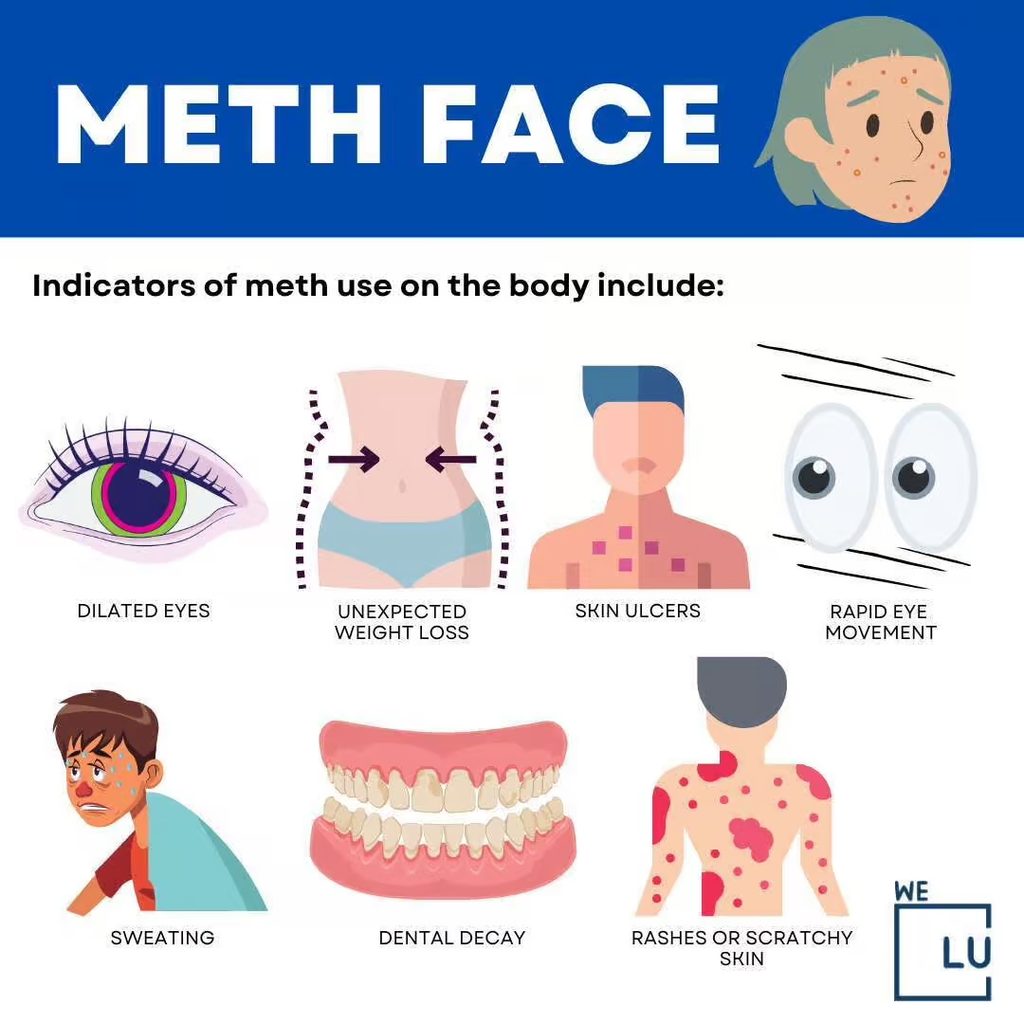
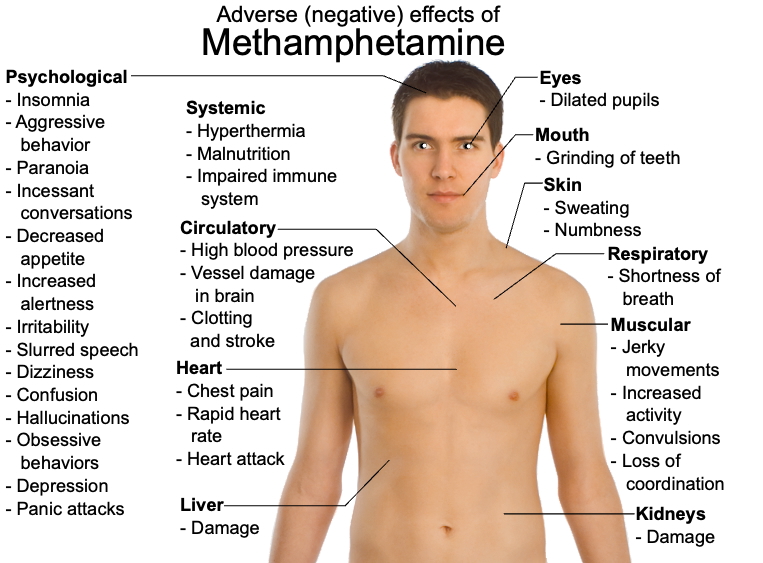

Wat gebeur in jou brein wanneer jy Tik gebruik? Kan die paranoia en psigoses omgekeer word?
Mari Hudson gesels met psigiater Dr Lize Weich van die Universiteit van Stellenbosch se mediese skool, oor die uitwerking van Tik op jou brein.
Hoe kan radio-isotope ingespan word om trippel negatiewe borskankerselle op te spoor, en dan bestralingspartikels direk by die kankerselle aflaai vir bestraling?
Mari Hudson praat met ‘n vooraanstaande kerngeneeskundige, wat pas ‘n groot navorsingsbeurs ontvang het om dié moontlikheid te ondersoek.
Kan statiene help om die risiko vir ‘n hartaanval op ‘n jong ouderdom te verlaag? Kan Familiële Hipercholesterolemia nou meer doeltreffend behandel word as ‘n dekade of drie gelede? Mari Hudson praat met ‘n mediese spesialis en kenner van lipied- en cholesterolmetabolisme.
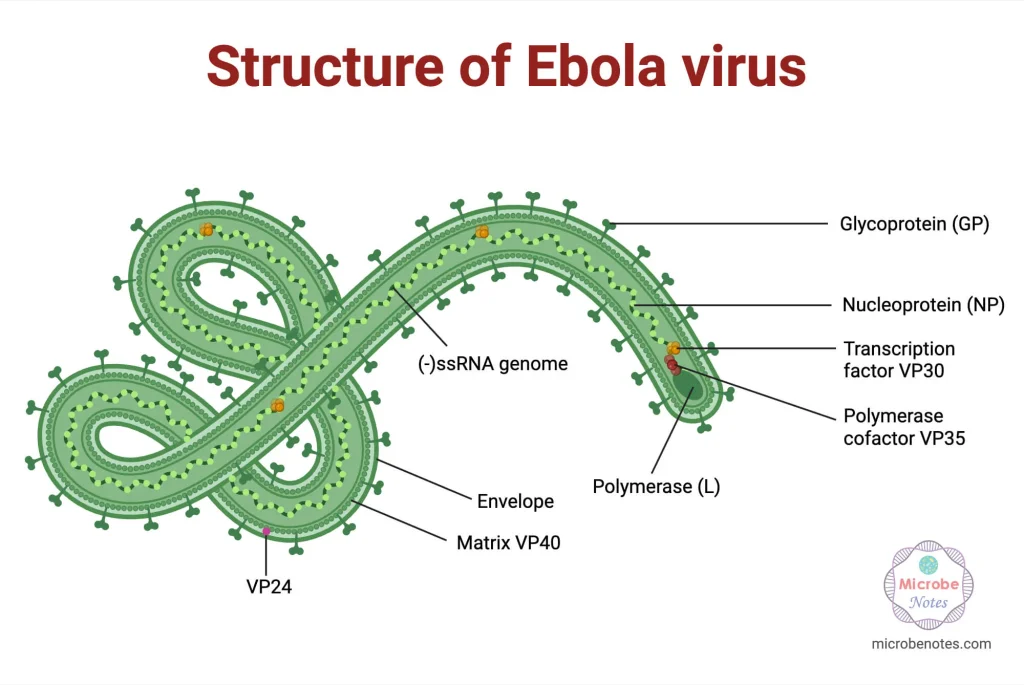
Die kollig val op twee aansteeklike virussiektes: A-pokke en Ebola.
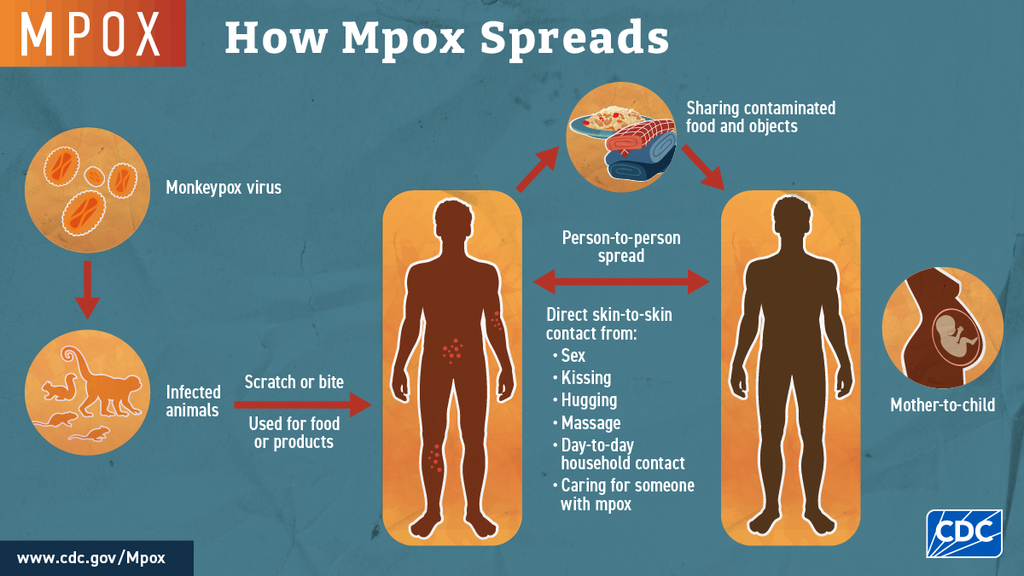
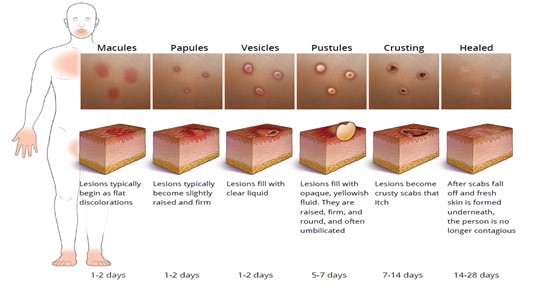
Die toename in gevalle van A-pokke in Suid-Afrika, veral in Wes-Kaap, maak dit noodsaaklik om meer uit te vind oor dié siekte.
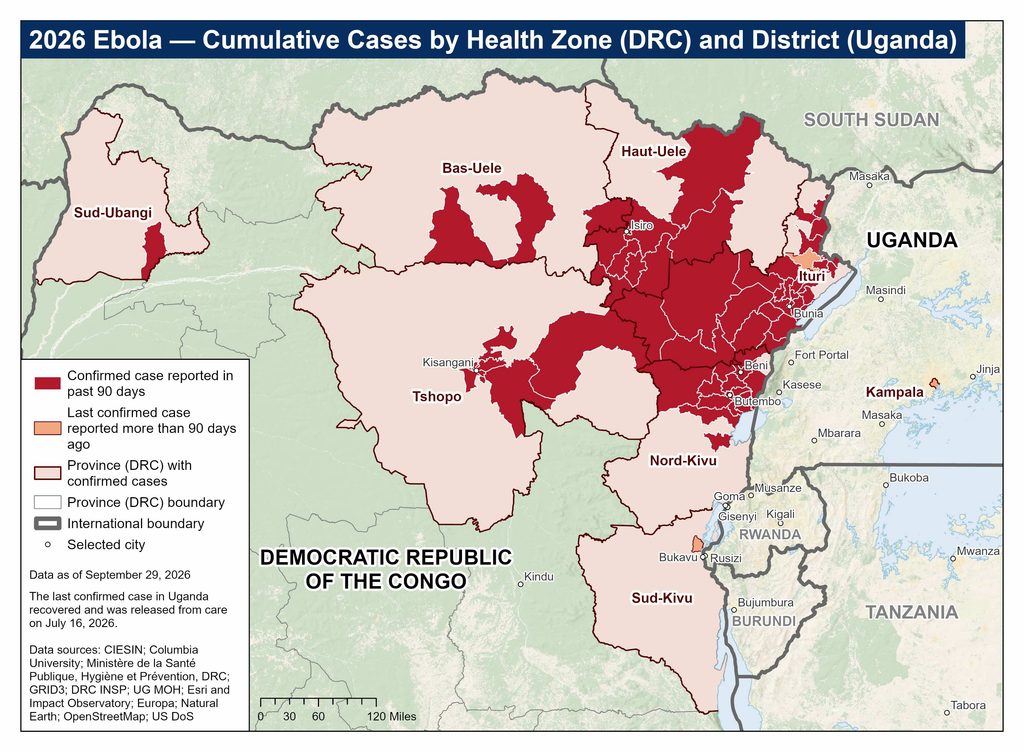
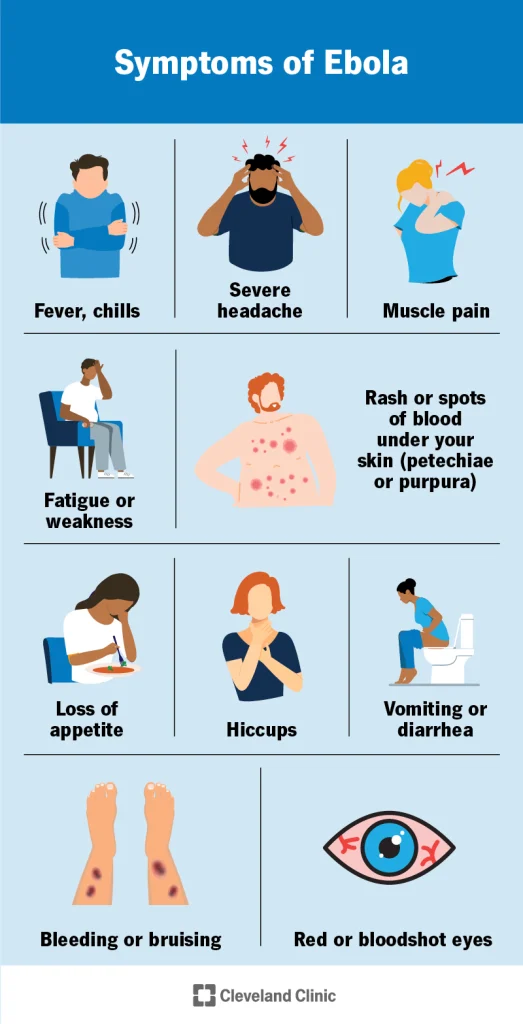
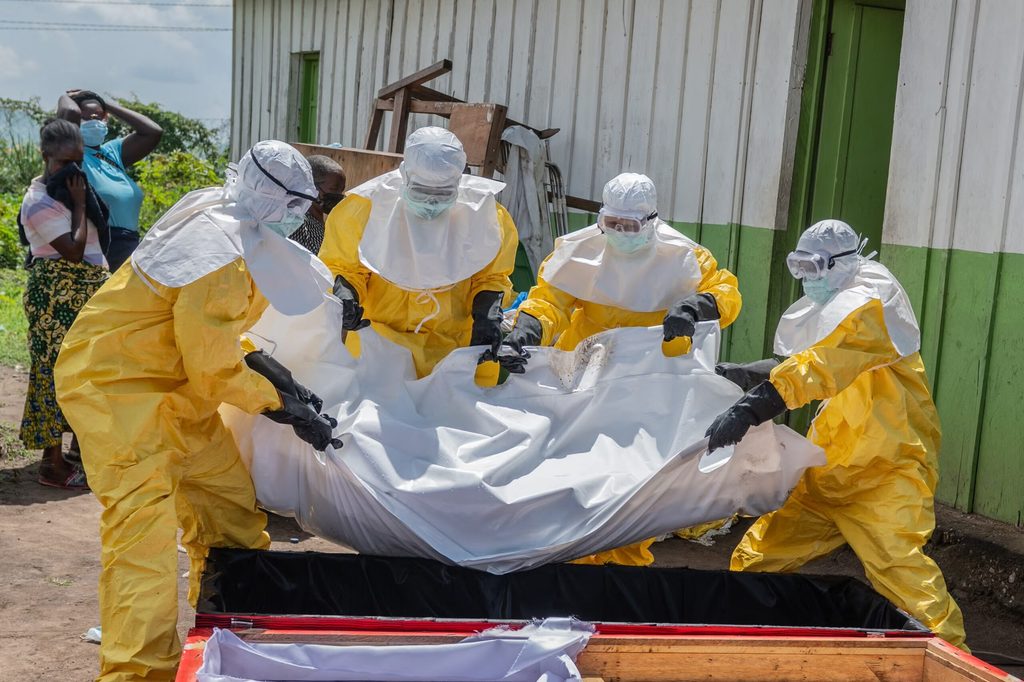
Die grootste uitbreking ooit van Ebola in die DRK duur voort, en laat vrae oor die gesukkel om dit onder beheer te kry en hoe dodelik die nuwe variant van die virus is.
Mari Hudson praat met prof Jantjie Taljaard, hoof van Infeksiesiektes by die Departement Interne Geneeskunde van die Universiteit van Stellenbosch.
Lees meer oor A-pokke: https://www.cdc.gov/monkeypox/hcp/clinical-signs/index.html
en
https://www.who.int/news-room/fact-sheets/detail/mpox
Lees meer oor die uitbreking: https://www.cdc.gov/ebola/situation-summary/index.html
Het jy geweet siekefondse MOET vir 271 siektetoestande bekend as PMBs oftewel Voorgeskrewe Minimum Voordele betaal, en nie net op die vlak wat in staatshospitale aangebied word nie. Maar om op jou regte te staan, moet jy weet wat in die PMBs.
Maar let ook op die lys en behandelings van PMBs sedert 2010 nog nooit weer opdateer is nie, al vereis regulasies dat dit minstens elke twee jaar opdateer word. Die Minister van Gesondheid het nog nie erkenning gegee van die opdateringslys wat in 2010 aan hom voorgelê is nie.
Mari Hudson gesels met ‘n verteenwoordiger van interniste en met ‘n gesondheidsekonoom oor jou regte, probleme en slaggate betreffende PMBs.
Luister Woensdag om 11:30 na Gesondheid op RSG.
HET JY GEWEET?
PMBs sluit die behandeling van alle kankersoorte in, asook behandeling van harttoestande, noodsorg, hospitaalsorg, en die behandeling van ander ernstige en chroniese siektes in, soos diabetes, asma, hipertensie en so meer.
Die behandeling van alledaagse siektes soos verkoues, gehoes en proes, kosmetiese chirurgie ens is nie PMBs nie en siekefondse hoef nie daarvoor te betaal nie.
JY MOET NA MY / HIERDIE PROGRAM LUISTER WANT…
Jy kan slegs op jou regte staan as jy weet wat jou regte is.
Luister ook na die dokumentêre verslag oor hoe mediese fondse werk, wat die slaggate is en hoe die stelsel verbeter kan word: https://omny.fm/shows/rsg-dokument-r/siekefonds-of-skynveilig-deur-mari-hudson
Prescribed Minimum Benefits (PMBs) are a set of defined benefits to ensure that all medical scheme members have access to certain minimum health services, regardless of the benefit option they have selected. The aim is to provide people with continuous care to improve their health and well-being and to make healthcare more affordable.
PMBs are a feature of the Medical Schemes Act, in terms of which medical schemes have to cover the costs related to the diagnosis, treatment and care of:
When deciding whether a condition is a PMB, the doctor should only look at the symptoms and not at any other factors, such as how the injury or condition was contracted. This approach is called diagnosis-based. Once the diagnosis has been made, the appropriate treatment and care is decided upon as well as where the patient should receive the treatment (at a hospital, as an outpatient or at a doctor’s rooms).
The legislation governing the provision of the prescribed minimum benefits (PMBs) is contained in the regulations enacted under the Medical Schemes Act, 1998 (Act No. 131 of 1998).
In respect of some of the diagnosis treatment pairs (DTPs), medical scheme beneficiaries find it difficult to know their entitlements in advance, while medical schemes interpret these benefits differently, resulting in a lack of uniformity of benefit entitlements.
The benefit definition project is coordinated by the CMS, with the aim to define the PMB package; and to guide the interpretation of the PMB provisions by relevant stakeholders.
The guidelines are based on evidence of clinical and cost effectiveness, taking into consideration affordability constraints and financial viability of medical schemes in South Africa.
The Regulations to the Medical Schemes Act in Annexure A provide a long list of conditions identified as Prescribed Minimum Benefits. The list is in the form of Diagnosis and Treatment Pairs (DTPs).
A DTP links a specific diagnosis to a treatment and therefore broadly indicates how each of the approximately 271 PMB conditions should be treated. The treatment and care of PMB conditions should be based on healthcare that has proven to work best, taking affordability into consideration. Should there be a disagreement about the treatment of a specific case, the standards (also called practice and protocols) in force in the public sector will be applied.
The treatment and care of some of the conditions included in the DTP may include chronic medicine, e.g. HIV-infection and menopausal management. In these cases, the public sector protocols will also apply to the chronic medication.
Here is an example of a DTP as it appears in the Medical Schemes Act:
| Code | Diagnosis | Treatment |
|---|---|---|
| 109A | Vertebral dislocations/fractures, open or closed with injury to spinal cord | Repair/reconstruction; medical management; inpatient rehabilitation up to two months |
The 271 conditions that qualify for PMB cover are diagnosis-specific and include a range of ailments that can be divided into 15 broad categories:
| PMB Category | Example |
|---|---|
| Brain and nervous system | Stroke |
| Eye | Glaucoma |
| Ear, nose, mouth and throat | Cancer of oral cavity, pharynx, nose, ear, and larynx |
| Respiratory system | Pneumonia |
| Heart and vasculature (blood vessels) | Heart attacks |
| Gastro-intestinal system | Appendicitis |
| Liver, pancreas and spleen | Gallstones with cholecystitis |
| Musculoskeletal system (muscles and bones); Trauma NOS | Fracture of the hip |
| Skin and breast | Treatable breast cancer |
| Endocrine, metabolic and nutritional | Disorders of the parathyroid gland |
| Urinary and male genital system | End-stage kidney disease |
| Female reproductive system | Cancer of the cervix, ovaries and uterus |
| Pregnancy and childbirth | Antenatal and obstetric care requiring hospitalisation, including delivery |
| Haematological, infectious and miscellaneous systemic conditions | HIV/Aids and TB |
| Mental illness | Schizophrenia |
| Chronic conditions | Asthma, diabetes, epilepsy, hypothyroidism, schizophrenia, glaucoma, hypertension |
No exclusions
Medical schemes often have a list of conditions – such as cosmetic surgery – for which they will not pay, or circumstances – such as travel costs and examinations for insurance purposes – under which a member has no cover. These are called exclusions. Exclusions, however, do not apply to PMBs. If you contract septicaemia after cosmetic surgery, for example, your scheme has to provide healthcare cover for the septicaemia part because septicaemia is a PMB. (Cosmetic surgery remains an exclusion.) PMBs are concerned about the diagnosis; it doesn’t matter how you got the condition.
Download the PMB list with ICD10 codes here
In an emergency it is not always possible to diagnose the condition before admitting the patient for treatment. However, if doctors suspect that the patient suffers from a condition that is covered by PMBs, the medical scheme has to approve treatment. Schemes may request that the diagnosis be confirmed with supporting evidence within a reasonable period of time.
The Chronic Disease List (CDL) specifies medication and treatment for the 26 chronic conditions that are covered in this section of the PMBs:
Chronic renal disease
Addison’s disease
Asthma
Bronchiectasis
Cardiac failure
Cardiomyopathy
Chronic obstructive pulmonary disorder
Coronary artery disease
Crohn’s disease
Diabetes insipidus
Diabetes mellitus types 1 & 2
Dysrhythmias
Epilepsy
Bipolar Mood Disorder
Hypothyroidism
Hypertension
Glaucoma
Haemophilia
Ulcerative colitis
Systemic lupus erythematosus
Schizophrenia
Rheumatoid arthritis
Parkinson’s disease
Hyperlipidaemia
Multiple sclerosis
To manage risk and ensure appropriate standards of healthcare, so-called treatment algorithms were developed for the CDL conditions. The algorithms, which have been published in the Government Gazette, can be regarded as benchmarks, or minimum standards, for treatment. This means that the treatment your medical scheme must provide for may not be inferior to the algorithms.
If you have one of the 26 listed chronic diseases, your medical scheme not only has to cover medication, but also doctors’ consultations and tests related to your condition. The scheme may make use of protocols, formularies (lists of specified medicines) and Designated Service Providers (DSPs) to manage this benefit.
PMBs can be a rather complicated subject and your medical scheme might not be able to answer all your questions. Sometimes, your medical scheme may be reluctant to provide you with the cover you are entitled to for a PMB condition and you need someone to champion your cause.
Do not despair. The Council for Medical Schemes (CMS) was established to supervise medical schemes in South Africa. In this role, its first priority is to protect the rights of consumers and to ensure that they are treated fairly.
Therefore, if you have a problem with your medical scheme, contact us in any of the following ways:
Telephone012 531 5000
Telephone0861 123 267
Fax0124307644
Emailsupport@medicalschemes.co.za
Postal AddressPrivate Bag X34, Hatfield, 0028
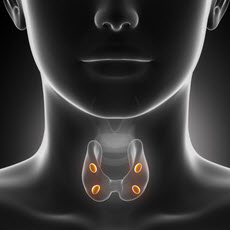
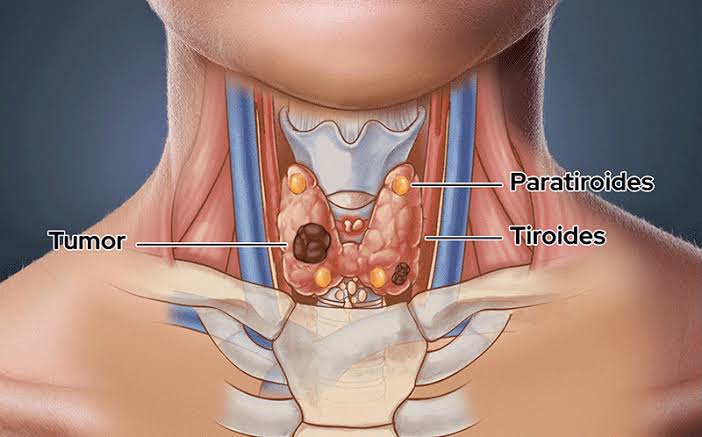
Baie gevalle van para-tiroïend wanfunksie word nie gediagnoseer nie, maar dié wanfunksie kan lei tot osteoporose, depressie en ander komplikasies.
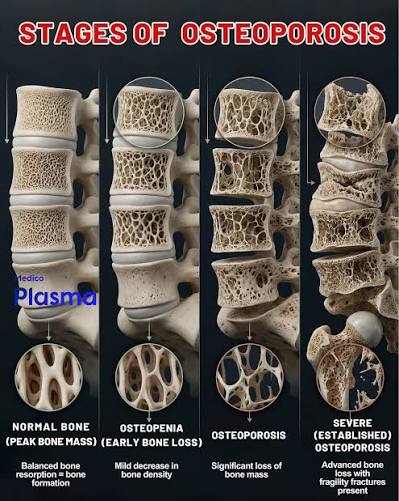
Indien para-tiroïed wanfunksie nie gediagnoseer en behandel word nie, kan die pasiënt se beendigtheid so verswak dat osteoporose ontwikkel. Chirurgie is in baie gevalle die maklikste behandeling.
Osteoporose
En as ‘n ouer mens haar/sy been of werwel breek, is dit reeds ‘n diagnose van osteoporose en moet die pasiënt anti-osteoporose behandeling kry.
Mari Hudson gesels met ‘n endrokriene chirurg en endokrinoloog oor dié toestande.
29 Julie 2026: Wannneer is koors in kinders te hoog? Is die oorsake van koors in babas dieselfde as in kinders? Wat moet jy doen as jou kind koorsig is? Mari Hudson praat met dr Leana van Dyk, ‘n pediater van Somerset-Wes, oor koors by babas en kleuters.

Masels, ‘n gevaarlike kindersiekte, is in Suid-Afrika aan die toeneem. Die VSA beleef ook verskeie uitbrekings van dié hoogs aansteeklike siekte. Die hoof-oorsaak van die toename is te wyte aan ouers wat nalaat om hulle kinders teen die virus te laat inent.
Die maselsvirus kan ‘n kind se immuniteit aantas, asook sy brein en longe, en kan noodlottig wees.
Mari Hudson praat met ‘n pediater, dr Thandie Wessels van die Tygerberg Hospitaal, oor dié gevaarlike aansteeklike siekte.


Ons vind meer uit oor twee baie algemene operasies, naamlik ‘n blindedermoperasie en ‘n galblaasoperasie.
Hoe weet die chirurg die fout is werklik by die blindederm of die galblaas? Wat as die blindederm gebars het? En wat as galsteentjies in die lewer beland? Mari Hudson praat hieroor met dr Maré du Plessis, ‘n Kaapstadse chirurg by Milnerton Mediclinic.


Hoe werk Tipe 1 Diabetes? Hoe verskil dit van Tipe 2 Diabetes? Kan ‘n skok of trauma tot Tipe 1 Diabetes lei? Ontstaan Tipe 1 Diabetes oornag, of ontwikkel dit mettertyd? Kan dit voorkom word?
En hoe kry Alexander Zverev, ‘n Tipe 1 Diabeet, dit reg om op die hoogste vlak tennis te speel?
Luister na die derde episode waar Dr Marius Wasserfall verduidelik hoe Alexander Zverev dit regkry om op die hoogste vlak tennis te speel. Hy vertel ook meer oor die komplikasies van te lae of te hoë bloedglukosevlakke en of die Ozempic-tipe middels ook tipe 1 diabete se niere en hart kan beskerm.

Luister na die tweede episode waar ons fokus op tegnologie soos insulienpompies, glukosesensors en meer.
Is insulien in enige ander vorm as ‘n inspuiting beskikbaar vir tipe 1 diabete? Hoe werk ‘n insulienpompie en hoe effektief is dit? Hoe kan glukose sensors op die vel help om diabetes beter te beheer? Marí Hudson praat met dr. Marius Wasserfall, ‘n internis by Panorama Mediclinic, in die tweede episode in die reeks oor tipe 1 diabetes.


Luister na die eerste episode van die kort reeks oor Tipe 1 Diabetes, waar ons veral fokus op die werking, simptome en oorsake van Tipe 1 Diabetes. En hoe verskil dit van tipe 2 diabetes? Marí Hudson gesels met dr Marius Wasserfall, internis by Panorama Mediclinic oor Tipe 1 Diabetes.
